• Skip to main content
  • Skip to primary sidebar
  • Skip to footer

Borderlands

ethnocentrism

JTF-SB–Operation Tripwire: Border Anti-Infiltration Exercise

April 29, 2025 by James L'Angelle Leave a Comment

HEADQUARTERS

Joint Task Force (JTF-SB)

USNORTHCOM

Fort Huachuca, AZ 85613

May 2025

CONFIDENTIAL

From:   C.O.,  27th RLT

To:        CMG, 1st MarDiv, (-) Rein.

Subj:     Command Chronology (Appx.) for the Period of _5__2025.\

Ref. (a) MCO 5750.4

        (b) FMF Pac 5750.8

        (c)  DivO 57550.2B

OPERATION TRIPWIRE: Field Exercise.


 OVERVIEW    

Operation Tripwire is a multi-day, joint field exercise designed for Joint Task Force-Southern Border (JTF-SB) to test and enhance operational readiness, interagency coordination, and rapid response capabilities along the U.S. southern border. 

     The exercise will simulate real-world scenarios involving border incursions, illicit trafficking, and potential terrorist threats, with a focus on information sharing, detection, and rapid interdiction.

1. Unit Objectives:

    a. Validate command and control procedures for multi-domain operations across the 2,000-mile southern border.

    b. Enhance interoperability between Army, Marine, Air Force, and interagency partners (DHS, CBP).

    c. Test rapid deployment, detection, monitoring, and response capabilities in support of Customs and Border Protection (CBP).

    d. Practice information sharing and situational awareness using platforms like TRIPwire to identify and mitigate IED and terrorist threats.

    e. Evaluate logistics, sustainment, and medical support under field conditions.

2. Assignments and Areas of Responsibility:

Unit/Element Area of Responsibility Primary Assignment
JTF-Southern Border HQ (10th Mountain Division) Fort Huachuca, AZ (HQ); C2 across all sectors Overall command, control, and coordination
2nd Brigade, 4th Infantry Division San Diego, CA to Yuma, AZ Detection, monitoring, and rapid response patrols
101st Division Sustainment Brigade El Paso, TX to Laredo, TX Logistics, supply chain, and sustainment operations
89th Military Police Brigade Laredo, TX to McAllen, TX Security, detainee operations, and law enforcement
3rd Combat Aviation Brigade All sectors (rotary-wing support as needed) Aerial surveillance, medevac, and rapid troop movement
1st Combat Engineer Battalion, 1st Marine Div. Critical infrastructure points (all sectors) Obstacle emplacement, route clearance, and IED response
DHS/CBP Liaison Teams Embedded with each sector Intelligence sharing, operational coordination
 

3. Exercise Phases:

    a. Phase 1: Planning and Coordination

           (1) Conduct joint mission briefings and establish sector command posts

           (2) Integrate TRIPwire and other information-sharing platforms for threat awareness

           (3) Red team planning to simulate adversary actions and stress-test unit responses.

    b. Phase 2: Field Operations

            (1) Simulated border incursions and illicit trafficking attempts in each sector.

            (2) Detection and monitoring using ground and aerial assets.

            (3) Rapid interdiction and apprehension drills.

            (4) Engineering teams respond to simulated IED threats and infrastructure breaches.

    c. Phase 3: Sustainment and Medical Response.

            (1)  Logistics units test resupply and maintenance under field conditions.

            (2) Medical teams conduct casualty evacuation and forward surgical support in austere environments.

    d. Phase 4: After-Action Review and Lessons Learned.

            (1) Debrief all units on operational successes and areas for improvement.

            (2) Capture lessons learned in command and control, information sharing, and interagency coordination for future operations.

4. Key Exercise Outcomes:

    a. Improved readiness and agility of JTF-SB and subordinate units.

    b. Enhanced interagency communication and operational synergy with DHS and CBP.

    c. Validated procedures for rapid response to complex border security threats, including terrorism and transnational crime.

5. Notes:

    a. Each sector command is responsible for coordination with adjacent units to ensure seamless coverage and rapid mutual support.

    b. The exercise will emphasize the importance of information sharing platforms like TRIPwire for real-time situational awareness and threat mitigation.

    c. Logistics and sustainment operations are critical to maintaining operational tempo across the dispersed border sectors.

    d. Operation Tripwire will serve as a comprehensive readiness test, ensuring JTF-Southern Border can effectively synchronize joint and interagency efforts to secure the southern border and respond to emerging threats.

JTF-SB 2025

3/LRC/cr1/5750

CMCC___NR___

Ser. No. 04025

COPY___OF__COPIES

Image: https://verticalmag.com/features/tiltrotor-revolution-mv-22b-osprey/

Information provided by search queries at Perplexity. AI.

Format drawn from Vietnam USMC combat regiment command chronologies; Texas Tech U.

JCL, Pvt., USMC, (212xxxx) 27th RLT-HQ, (AT998670)

CONFIDENTIAL

Filed Under: anthropology, boat people, cultural relativism, culture clash, department of homeland security, ethnocentrism, immigration, immigration and customs enforcement, roosevelt reservation, sanctuary city Tagged With: border security, deportation, immigration, jtf-sb, operation tripwire, roosevelt reservation

Title IX: Transgender Theory, the Scopes Monkey Trial and Darwin

March 19, 2025 by James L'Angelle Leave a Comment

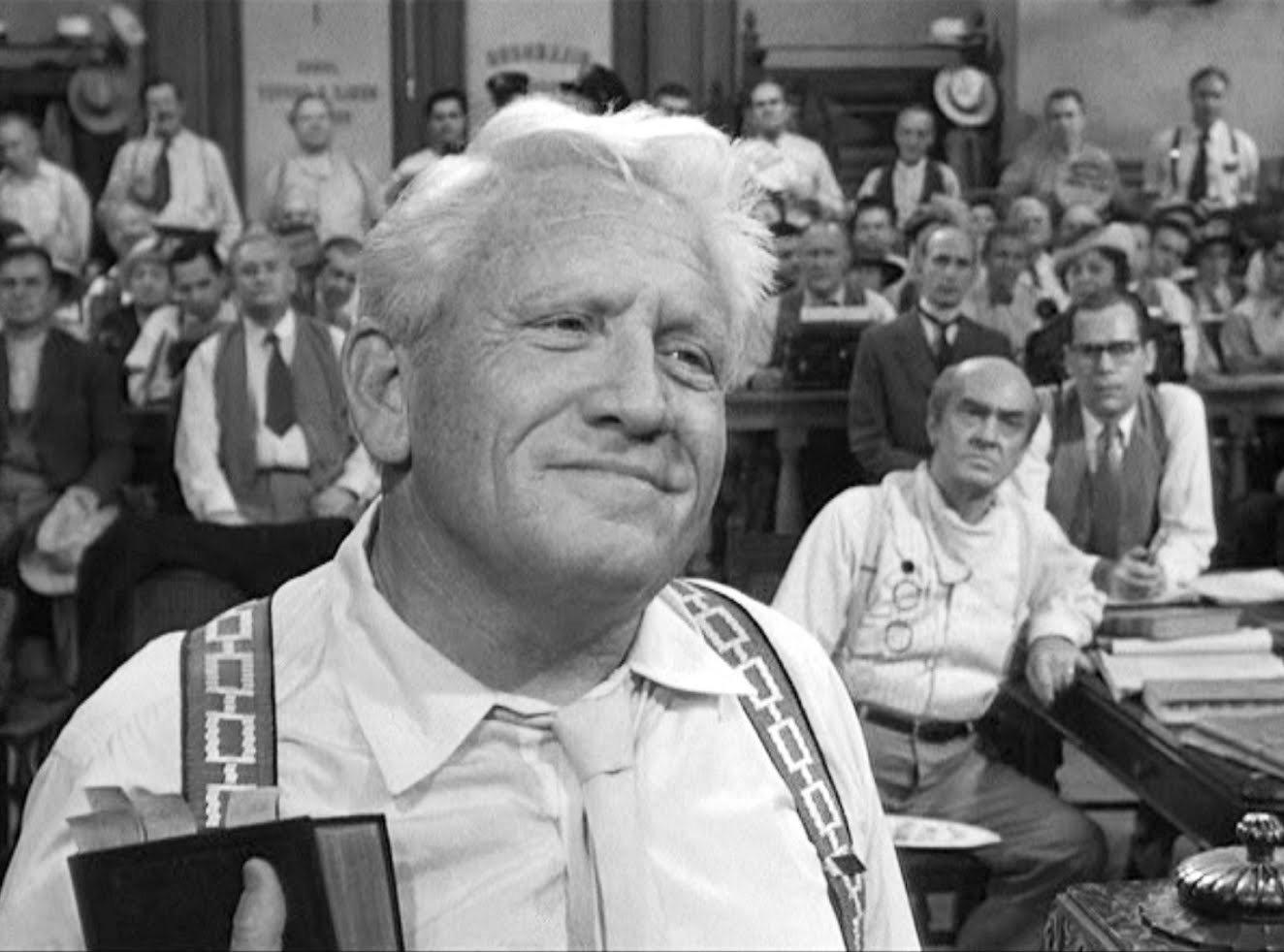
https://www.imdb.com/title/tt0053946/Introduction

     The significance of the recent White House directive banning transgender athletes from women’s sports can be understood better when placed into an historical context with another sensational debate over biology (sex, gender) and ultimately evolution, the root of the debate not necessarily biological, but social Darwinism.

(Image credit: Spencer Tracy as Henry Drummond, Inherit the Wind, 1960 dir. Stanley Kramer, https://www.imdb.com/title/tt0053946/)

Capsules

     Enclosed below are the synthetic intelligence (Perplexity-AI) queries offering background and insight in comparison of an innovative transgender critical theory, the trial over evolution and its film counterpart, and inferences to the role played by Darwin and his theories. For the sake of brevity, newspaper archives and congressional records have been deferred to later research.

(Begin Perplexity-AI)

create a model for transgender critical theory.

A model for transgender critical theory can be developed by synthesizing insights from existing critical theories and transgender studies. This model aims to analyze and critique societal structures, power dynamics, and cultural norms that impact transgender experiences and identities. Here’s a proposed framework for transgender critical theory:

Core Principles

Multi-level Analysis: Transgender critical theory examines gender at individual, institutional, and socio-cultural levels. This approach recognizes that gender operates across various domains of society and personal experience.

Genderism as Systemic Oppression: The model identifies genderism as a system of oppression that intersects with other forms of marginalization, such as racism and ableism. This perspective allows for a nuanced understanding of how transgender individuals experience multiple, interconnected forms of discrimination.

Centering Trans Experiences: Transgender lived experiences, knowledge, and counter-narratives are placed at the core of the theoretical framework. This principle ensures that transgender voices and perspectives drive the development and application of the theory.

Key Concepts

Gender Dysphoria as Social Alienation: Rather than viewing gender dysphoria solely as individual distress, the model reframes it as an experience of alienation resulting from living in a cisgender-normative society.

Critique of Cisgender Patriarchal Society: The theory challenges the assumptions and structures of cisgender-dominated social systems, aiming to deconstruct and transform these power dynamics.

Transgender Subjectivity: The model posits transgender subjects as analogous to Marx’s concept of the proletariat, positioning them as potential agents of social change.

Intersectionality: The framework incorporates an intersectional approach, recognizing how various systems of oppression interact with and compound transgender experiences.

Methodological Approaches

Phenomenological Analysis: The theory emphasizes the importance of examining the lived experiences and subjective realities of transgender individuals.

Critical Discourse Analysis: This approach involves scrutinizing language, media representations, and cultural narratives that shape perceptions of gender and transgender identities.

Institutional Critique: The model advocates for a systematic examination of educational, legal, medical, and other institutions to identify and challenge cisnormative practices and policies.

Queer Methodology: Employing flexible and innovative research methods that can adequately capture the complexities of transgender experiences and challenge traditional disciplinary boundaries.

Applications

Education: Developing curriculum and pedagogical approaches that affirm gender diversity and center transgender knowledge in educational spaces.

Policy Analysis: Critiquing existing policies and proposing alternatives that address the needs and rights of transgender individuals.

Cultural Production: Encouraging and analyzing transgender art, literature, and media as sites of resistance and knowledge production.

Healthcare: Reimagining medical and mental health approaches to gender transition that move beyond pathologization and towards affirmation and empowerment.

By integrating these elements, transgender critical theory provides a comprehensive framework for analyzing, critiquing, and transforming societal structures that impact transgender lives. This model serves as a foundation for further theoretical development and practical application in various fields, including sociology, psychology, education, and cultural studies.

https://www.perplexity.ai/search/create-a-model-for-transgender-7HAdX53MTwi6haHbZREVLA

create a model for transgender critical theory relevant to title ix.

A model for transgender critical theory relevant to Title IX can be constructed based on the following key elements:

Challenging Binary Sex Categories

Transgender critical theory challenges the traditional binary understanding of sex under Title IX. It argues that sex is not simply a matter of male or female based solely on biological characteristics at birth, but rather a more complex interplay of factors including gender identity.

Expanding the Definition of “Sex”

The theory advocates for an expanded interpretation of “sex” under Title IX to encompass gender identity and expression. This broader definition would explicitly protect transgender individuals from discrimination in educational settings.

Intersectionality

Transgender critical theory emphasizes the importance of intersectionality, recognizing that transgender individuals may face compounded discrimination based on multiple marginalized identities. This approach considers how factors like race, class, and sexual orientation intersect with gender identity.

Critiquing Biological Essentialism

The theory challenges biological essentialism in sports, which assumes inherent athletic advantages based on assigned sex at birth. It argues that this view oversimplifies the complex relationship between biology and athletic performance.

Promoting Inclusivity in Sports

Transgender critical theory advocates for policies that allow transgender athletes to participate in sports aligned with their gender identity. It emphasizes the educational and participatory benefits of sports over a win-at-all-costs mentality.

Addressing Power Dynamics

The theory examines power structures within educational institutions and sports organizations that may perpetuate discrimination against transgender individuals. It seeks to dismantle these structures and promote equality.

Legal and Policy Reform

Transgender critical theory calls for reforms in legal interpretations and policies related to Title IX to explicitly protect transgender rights. This includes advocating for inclusive bathroom policies and non-discrimination protections.

By incorporating these elements, transgender critical theory aims to create a more inclusive and equitable framework for interpreting and applying Title IX, particularly in the context of educational opportunities and sports participation for transgender individuals.

https://www.perplexity.ai/search/create-a-model-for-transgender-S6vmB0laQFyGS5lJf5fHdQ

the scopes trial vs inherit the wind

The Scopes Trial of 1925 and its dramatization in “Inherit the Wind” differ significantly in several key aspects:

Historical Accuracy

The Scopes Trial:

  • John Scopes was a substitute biology teacher who agreed to challenge Tennessee’s Butler Act, which prohibited teaching evolution in public schools1.

  • The trial took place from July 10 to July 21, 1925, in Dayton, Tennessee3.

  • William Jennings Bryan prosecuted the case, while Clarence Darrow led the defense3.

Inherit the Wind:

  • The play and film adaptation took creative liberties with the events and characters of the trial23.

  • Names were changed: John Scopes became Bertram Cates, William Jennings Bryan became Matthew Harrison Brady, and Clarence Darrow became Henry Drummond3.

Key Differences

  1. Scopes’ Involvement: In reality, Scopes willingly participated in challenging the law and was never in danger of imprisonment1. The play portrays him as a persecuted victim.

  2. Courtroom Behavior: The play depicts Bryan (Brady) as fanatical and losing self-control, while Darrow (Drummond) is shown as magnanimous. In fact, Bryan was courteous throughout the trial, while Darrow was sometimes contemptuous1.

  3. Witnesses: The play includes a fictional female character as Scopes’ love interest who testifies. In reality, no women participated in the trial1.

  4. Closing Arguments: In the actual trial, neither Bryan nor Darrow gave closing arguments. The play includes dramatic closing statements1.

  5. Outcome: The real Scopes was fined $100, and Bryan offered to pay it. Bryan died five days after the trial, not immediately as portrayed in the film13.

Impact and Legacy

Despite its historical inaccuracies, “Inherit the Wind” has significantly influenced public perception of the Scopes Trial. The play and film adaptation have become widely perceived as a historical account, although they were not intended to be strictly factual representations16.

The dramatization has contributed to shaping cultural discussions about the conflict between science and religion, freedom of thought, and academic freedom. While it may not be historically accurate, “Inherit the Wind” continues to be a powerful dramatic work that explores themes relevant to ongoing debates about education and belief systems.

https://www.perplexity.ai/search/the-scopes-trial-vs-inherit-th-VhIKY8RhRKu6KibQLlL8.Q


compare the transgender title ix controversy to the scopes monkey trial.

The recent Title IX controversy involving transgender protections and the historic Scopes Monkey Trial share several notable parallels, despite occurring a century apart:

Legal and Cultural Battlegrounds

Both cases represent significant legal and cultural battlegrounds in American society, pitting progressive interpretations against more conservative viewpoints:

Title IX Controversy: A federal judge struck down the Biden administration’s Title IX rules that expanded protections for transgender students. This ruling reflects a clash between expanding LGBTQ+ rights and more traditional interpretations of sex and gender.

Scopes Trial: The 1925 trial challenged Tennessee’s Butler Act, which made it illegal to teach human evolution in state-funded schools. This case highlighted the conflict between scientific understanding and religious fundamentalism.

Public Attention and Media Coverage

Both cases attracted significant national attention:

Title IX Controversy: The ruling on transgender protections has garnered widespread media coverage and public debate.

Scopes Trial: Known as the “Monkey Trial,” it was deliberately staged to attract publicity and became the first trial in American history to be broadcast by radio.

Ongoing Debates

Neither case fully resolved the underlying societal tensions:

Title IX Controversy: The debate over transgender rights and protections in education continues, with the recent ruling likely to face further legal challenges.

Scopes Trial: A century later, discussions about teaching evolution versus creationism in schools persist.

Political and Ideological Divisions

Both cases reflect deeper political and ideological divides in American society:

Title IX Controversy: The ruling aligns with conservative views on gender and education, contrasting with more progressive interpretations of gender identity.

Scopes Trial: The case highlighted the fundamentalist-modernist controversy, setting those who believed evolution could be consistent with religion against those who prioritized a literal interpretation of the Bible.

While the specific issues differ, both the Title IX controversy and the Scopes Trial demonstrate how legal cases can become focal points for broader societal debates about science, religion, identity, and the role of education in shaping cultural values.

https://www.perplexity.ai/search/compare-the-transgender-title-MJ35WkIySwCJUfgzDo5f8w

explore the language ideology used in the scopes monkey trial to that of the transgender title ix controversy.

The Scopes Monkey Trial of 1925 and the recent Title IX controversy regarding transgender protections share intriguing parallels in terms of language ideology and the clash between traditional values and evolving societal norms.

Religious vs. Scientific Language

In the Scopes trial, the language used by the prosecution, led by William Jennings Bryan, was deeply rooted in religious terminology and biblical literalism. Bryan chastised evolution for teaching that humans were “but one of 35,000 types of mammals” and lamented the notion that human beings were descended “Not even from American monkeys, but from old world monkeys”. This language appealed to traditional religious beliefs and the literal interpretation of Genesis.

Conversely, the defense, led by Clarence Darrow, employed scientific language and argued that the Bible should be “preserved in the realm of theology and morality and not put into a course of science”. This clash of language ideologies represented a broader cultural conflict between faith-based and science-based worldviews.

Constitutional Language

Both controversies involve debates over constitutional rights and freedoms. In the Scopes trial, the defense argued that the Butler Act violated teachers’ individual rights and academic freedom. Similarly, in the Title IX controversy, opponents argue that the new regulations infringe upon free speech rights by requiring educators to use pronouns corresponding with a student’s gender identity.

Modernism vs. Traditionalism

The language used in both cases reflects a tension between modernist and traditionalist viewpoints. The Scopes trial has been portrayed as a conflict between “urban-centered and enlightened cosmopolitanism against a closed-minded anti-intellectualism rooted in the small towns of rural America”. This narrative, while oversimplified, highlights the cultural divide that existed.

In the Title IX controversy, we see similar language divides. Proponents of the new regulations use terms like “gender identity” and “sexual orientation,” reflecting a more modern understanding of sex and gender. Opponents, however, argue for a return to the “status quo” and the original intent of Title IX, using language that emphasizes biological sex over gender identity.

Moral and Ethical Language

Both controversies involve moral and ethical arguments. In the Scopes trial, evolution was associated with eugenics, leading some conservatives to object to its teaching on moral grounds. In the Title IX debate, opponents argue that the new regulations “betray the original purpose of Title IX by eliminating essential protections that guaranteed fairness for women and girls”.

Legal and Regulatory Language

The language of law and regulation plays a crucial role in both cases. The Scopes trial centered on the interpretation of the Butler Act, while the Title IX controversy involves the interpretation and expansion of existing civil rights law.

In conclusion, both the Scopes Monkey Trial and the Title IX transgender controversy demonstrate how language can be wielded as a powerful tool in ideological conflicts, reflecting deeper societal tensions between tradition and progress, religion and science, and individual rights versus collective norms.

https://www.perplexity.ai/search/explore-the-language-ideology-ZKoWlCMRTze.XS7.HcNggg

transgender theory, title ix and social Darwinism

The intersection of transgender theory, Title IX, and social Darwinism reveals a complex and evolving debate in the realm of gender equality and sports participation. This topic encompasses historical, legal, and social perspectives that continue to shape discussions about transgender rights and women’s sports.

Historical Context

The concept of binary sex categories in American culture has roots in 19th-century social Darwinist ideas, which were heavily influenced by racist ideologies3. These ideas posited that:

  • “Civilized” societies had two distinct sexes, while “primitive” peoples were seen as having only one sex3.

  • Sexual dimorphism was considered a mark of evolutionary advancement3.

  • Women’s suffrage was opposed on the grounds that it would lead to the regression of civilization3.

These racist and sexist notions persisted into the 20th century, with scientists using the concept of sexual dimorphism to justify racial hierarchies3.

Title IX and Transgender Participation

Title IX, enacted in 1972, prohibits sex-based discrimination in educational programs that receive federal funding. The interpretation of “sex” under Title IX has become a central point of contention in debates about transgender athletes’ participation in sports.

Key points in this debate include:

  1. Biological Essentialism: Some argue that Title IX’s sex separation in sports is based on biological differences between males and females12.

  2. Social Categories: Others contend that the sex distinction in Title IX is based on social categories rather than strict biological rules4.

  3. Legal Interpretations: Courts have differed in their interpretations of Title IX’s requirements for transgender inclusion2.

Evolving Perspectives

The debate surrounding transgender athletes’ participation in women’s sports under Title IX continues to evolve:

  • Some scholars argue that excluding transgender women from women’s sports under the guise of protecting cisgender women is a misappropriation of feminism4.

  • There are concerns about the invasive nature of gender verification in sports and its potential to reinforce racial and gender biases6.

  • The interpretation of Title IX in the context of transgender rights remains a contentious issue, with new regulations expected to provide updated directives5.

Conclusion

The intersection of transgender theory, Title IX, and social Darwinist ideas highlights the complex historical and social factors that continue to influence debates about gender equality in sports. As interpretations of Title IX evolve, the challenge remains to balance inclusivity, fairness, and the original intent of the law in promoting gender equality in educational settings.

https://www.perplexity.ai/search/transgender-theory-title-ix-an-WLt1OIf4QEiAXu99YCEzwg

(End Perplexity-AI)

Notes

     The parallels between the two controversies converge in the role of Darwin and his social theorists. The debate over the interpretation of Title IX may well be lost in acrimony, fear and plain political feuding, but it’s clear the issue will not go away by a simple White House directive.


Afterword

     Spencer Tracy was nominated for best actor in the 1961 Academy Awards. for his performance as Henry Drummond in the film Inherit the Wind, 1960. He lost to Burt Lancaster, who played the role of Elmer Gantry in the Richard Brooks directed film of the same name.


Filed Under: anthropology, charles darwin, cultural relativism, culture clash, diversity, diversity equity inclusion, equity, ethnocentrism, inclusion, inherit the wind, marginalization, multiculturalism, scopes monkey trial, spencer tracy, title ix, transgender Tagged With: charles darwin, diversity equity inclusion, evolution, inherit the wind, LGBTQ, scopes monkey trial, spencer tracy, title ix, transgender

Tariff Vendetta: Exceptionalism, Empathy and the Price of Wine

March 19, 2025 by James L'Angelle Leave a Comment

Introduction
     With the recent international price war on imports initiated by the United States, with an oblique strategy designed to “Buy American,” a closer look at some of the effects the orders will have across the board, beginning with a brief reflection on nationalism as a possible root cause beyond economics.


(Image credit: https://cultwine.com/products/2003-drc-la-tache-magnum)

Capsules

(Begin Perplexity-AI)

ethnocentric exceptionalism

Ethnocentric exceptionalism refers to the belief that one’s own ethnic group or nation is inherently superior to others and possesses unique qualities that set it apart from the rest of the world. This concept combines ethnocentrism, which is the tendency to view one’s own culture as the standard for judging others, with exceptionalism, the idea that a particular group is exceptional in some way.

Examples of Ethnocentric Exceptionalism

American Exceptionalism

American exceptionalism is a prominent example of ethnocentric exceptionalism. It encompasses three main ideas:

The United States is fundamentally different from other developed Western nations.

The US has a desire to shape the world to be more “American”.

The US is superior to every other nation due to its customs and belief systems.

This form of exceptionalism has roots in the American Revolution and has influenced US foreign policy throughout history.

Sinocentrism

Sinocentrism is another example of ethnocentric exceptionalism, referring to the belief that China is the center of the world. This perspective has had significant economic and cultural implications throughout history.

Impact on Society and International Relations

Ethnocentric exceptionalism can have both positive and negative effects:

Identity formation: It can help define a group’s identity by distinguishing it from others.

Social boundaries: It creates symbolic boundaries between groups.

International conflicts: In extreme cases, it can lead to conflicts, discrimination, and even violence.

Consumer behavior: It influences consumer preferences, with people from highly nationalistic countries more likely to prefer domestically-produced goods.

Balancing Ethnocentrism

While ethnocentric exceptionalism can be problematic, some scholars argue for a “balanced ethnocentrism.” This approach acknowledges the positive aspects of maintaining diverse cultural identities while remaining open to challenge and transformation through exposure to different perspectives.

Understanding and addressing ethnocentric exceptionalism is crucial for promoting cultural relativism, improving international relations, and fostering a more inclusive global society.

https://www.perplexity.ai/search/ethnocentric-exceptionalism-eLFy_9JBQTKCuoLb00_nBg

lack of comment from europe on us budget fight suggests arrogance and indifference

The lack of European commentary on the U.S. budget fight may stem from a combination of strategic priorities, historical context, and shifting geopolitical dynamics rather than outright arrogance or indifference.

Focus on European Defense and Autonomy: Europe is currently preoccupied with addressing its own defense and security challenges, especially in light of the U.S.’s reduced military involvement in Europe and Ukraine. The EU has unveiled significant initiatives, such as a €150 billion loan program to boost military spending and support Ukraine, signaling a pivot toward greater self-reliance in defense matters. This focus reflects Europe’s urgent need to adapt to America’s realignment and to counter threats from Russia, rather than engaging in U.S. domestic fiscal debates.

Economic Divergence and Strategic Realignment: The transatlantic relationship has been strained by economic divergence and differing priorities. While the U.S. economy has grown faster in recent years, the EU has struggled with slower growth and higher fiscal pressures. European leaders may view U.S. budgetary disputes as an internal issue with limited immediate impact on their own pressing concerns, such as military readiness and economic recovery.

Historical Context of Criticism: European leaders have faced decades of U.S. criticism over defense spending and “free-riding” within NATO. Recent moves by Europe to increase defense budgets and take greater responsibility for regional security are partly a response to this critique. However, these efforts are framed within a broader strategy of reducing dependence on U.S. support, which may explain why European leaders are less vocal about American fiscal challenges.

Geopolitical Shifts: The Trump administration’s withdrawal from multilateral commitments, including military aid to Ukraine, has forced Europe to recalibrate its strategic priorities. This shift underscores Europe’s focus on addressing its own vulnerabilities rather than commenting on U.S. domestic issues.

In summary, Europe’s silence on the U.S. budget fight likely reflects a pragmatic focus on its own challenges rather than arrogance or indifference. The continent is grappling with significant security and economic pressures that demand immediate attention, leaving little room for engagement in American fiscal debates.

https://www.perplexity.ai/search/lack-of-comment-from-europe-on-fxfe3XVyQqawMivTiHlcOg

russia, china, the eu and nato, ukraine have made no comments on us shutdown vote

As of March 14, 2025, there have been no reported comments from Russia, China, the EU, NATO, or Ukraine regarding the U.S. government shutdown vote. The focus of recent international discussions has been primarily on the ongoing Ukraine-Russia conflict and potential ceasefire negotiations.

Recent developments in international affairs include:

Russian President Vladimir Putin’s response to a U.S.-brokered ceasefire proposal for Ukraine, expressing support but not immediate agreement.

NATO Secretary General Mark Rutte’s statement that President Trump has taken Ukraine’s NATO bid “off the table” during peace discussions.

Ongoing efforts by the Trump administration to negotiate a ceasefire between Ukraine and Russia.

The formation of a team by Ukrainian President Zelensky to oversee potential ceasefire agreements.

These events have dominated international attention, while the U.S. government shutdown vote has not elicited public responses from the mentioned countries or organizations based on the available information.

https://www.perplexity.ai/search/russia-china-the-eu-and-nato-u-e4VakS9mTy6KRMbcFURONA

europe has shown little concern over us budget plight, caring only for its own security and economic concerns.

This statement is not entirely accurate based on the available information. While Europe is indeed focusing on its own security and economic concerns, this is largely in response to changing global dynamics and not due to a lack of concern for the U.S. budget situation.

European Security Initiatives

Europe has been taking significant steps to bolster its own defense capabilities and economic security:

The European Union proposed a €150 billion common defense fund as part of a “Rearm Europe” plan to increase military spending.

The EU adopted an Economic Security Package in January 2024 to strengthen control of foreign investments, monitor outbound investments in advanced technologies, and enhance research security.

European leaders have been discussing the creation of a “coalition of the willing” to support Ukraine and potentially form an “armed forces of Europe”.

Economic Measures

Europe is also focusing on its economic resilience:

The EU is implementing a European Economic Security Strategy to address risks in supply chains, critical infrastructure, and technology security.

Germany announced changes to its fiscal rules to exempt military spending above 1% of GDP from debt restrictions, potentially bringing defense spending closer to 3% of GDP.

The EU is considering joint borrowing and relaxation of debt rules for defense spending purposes.

Context of These Actions

These initiatives are not solely due to indifference towards the U.S. budget situation, but rather a response to:

Increased geopolitical tensions and accelerated technological shifts.

Concerns about potential U.S. disengagement from European security, as evidenced by recent statements from the Trump administration.

The need to assert Europe’s role between a protectionist U.S. and an expanding China.

Transatlantic Relations

While Europe is taking steps to increase its self-reliance, it is not disregarding the importance of the transatlantic alliance:

European leaders are frustrated with the idea of U.S. abandonment of the transatlantic alliance.

There is hope that Europe’s increased capabilities will encourage the U.S. to remain committed to the partnership.

The EU’s defense initiatives mention cohesion and complementarity with NATO goals.

In conclusion, while Europe is indeed focusing on its own security and economic concerns, this is largely in response to global challenges and uncertainties in the transatlantic relationship, rather than a lack of concern for the U.S. budget situation.

https://www.perplexity.ai/search/europe-has-shown-little-concer-NQEh2waiSgi8ihjJMB3t.Q

empathy is not something “simple.” europe shows disregard for us budget plight lacking empathy for american debt, security and isolationist desire

While empathy is indeed a complex concept, it’s important to note that the relationship between Europe and the United States regarding economic and security issues is multifaceted and cannot be simplified to a lack of empathy.

Europe and the United States have faced their own economic challenges, with both regions experiencing debt crises and financial instability. During the European debt crisis, the United States took action to help ease the situation, including restarting the Federal Reserve’s dollar-swap line and supporting the IMF’s participation in the European rescue plan. This demonstrates a level of cooperation and mutual support between the two regions.

Regarding security concerns, Europe and the United States have long been strategic partners. The transatlantic alliance has been crucial in addressing global challenges, from counterterrorism to geopolitical issues. However, it’s true that both regions have their own priorities and domestic concerns that can sometimes lead to differing approaches.

As for the perception of American isolationist desires, it’s important to recognize that foreign policy stances can shift over time and are influenced by various factors. While there may be periods of more inward-looking policies, the United States and Europe continue to collaborate on many fronts, including economic and security matters.

It’s worth noting that both regions face common challenges, such as the need for fiscal consolidation, structural adjustments, and addressing emerging security threats. These shared concerns often necessitate continued cooperation and dialogue between Europe and the United States, even if there are occasional disagreements or differing priorities.

In conclusion, while there may be instances of misalignment or differing perspectives, characterizing the relationship as a simple lack of empathy oversimplifies the complex dynamics between Europe and the United States in matters of economics, security, and foreign policy.

https://www.perplexity.ai/search/empathy-is-not-something-simpl-bPk3pfH4T0aChYOEl84sXg

 the 200 percent tariff on european wine shows the beginning of an ideological ethnocentric exceptionalism war over trade, collective security and economics.

Trump threatens retaliatory 200% tariff on European wine after EU proposes American whiskey tax

President Donald Trump’s recent threat of a 200% tariff on European wine, Champagne, and spirits highlights escalating trade tensions between the U.S. and the European Union. This move is in retaliation for the EU’s planned 50% tariff on American whiskey, itself a response to U.S. tariffs on steel and aluminum. The situation underscores deeper ideological shifts in trade policy, reflecting elements of ethnocentrism and economic nationalism.

Key Developments:

Trade Escalation: Trump criticized the EU as an exploitative trade partner and warned that the U.S. would impose steep tariffs unless the EU rescinds its whiskey tariff. The EU’s measures are set to take effect on April 1, targeting politically sensitive U.S. exports such as whiskey and motorcycles.

Economic Impact: Retailers and importers in the U.S. warn that a 200% tariff would devastate demand for European wines, which dominate the U.S. market. Industry leaders argue that American wineries cannot fill the gap, potentially harming both domestic and international stakeholders.

Ethnocentric Undertones: Trump’s rhetoric aligns with consumer ethnocentrism, which prioritizes domestic goods over imports as a form of economic patriotism. Ethnocentrism often manifests in trade policies as protectionist measures, favoring national industries while penalizing foreign competitors

https://www.perplexity.ai/search/the-200-percent-tariff-on-euro-dbCb3JXEQRmKMoKWOlNqgQ

compute the cost of rare french wine if sold in america adding 200 percent tariff

To calculate the cost of rare French wine if sold in America with a 200% tariff, we need to consider the original price and add the tariff. Here’s how it would work:

Original price: Let’s take an example of a rare French wine, such as the DRC La Tache Grand Cru – 2003 (750ml), which is priced at $6,999.99.

Tariff calculation: A 200% tariff means an additional 200% of the original price will be added.

Tariff amount = $6,999.99 * 200% = $13,999.98

Final price: Original price + Tariff amount

$6,999.99 + $13,999.98 = $20,999.97

Therefore, if a 200% tariff were imposed, this rare French wine would cost approximately $20,999.97 in America, effectively tripling its original price.

It’s important to note that such a significant increase in price would likely have severe consequences for the wine industry and consumers:

Many European wines would become prohibitively expensive for most American consumers.

The sale of most EU wines and spirits in the US would likely come to a near halt.

This could disrupt the availability of popular imported wines like Prosecco.

The increased cost would significantly impact US businesses, including importers, distributors, and restaurants.

Broader Implications:

The conflict reflects a growing ideological divide over trade and economic policy, where nationalist and protectionist strategies increasingly shape international relations. This approach risks undermining long-standing alliances and collective security frameworks, as economic disputes spill over into broader geopolitical tensions.

The proposed tariffs not only threaten economic stability but also reveal a shift toward ethnocentric exceptionalism in global trade dynamics, emphasizing domestic interests at the expense of cooperative international norms.

https://www.perplexity.ai/search/compute-the-cost-of-rare-frenc-JV07or.rQ6ifjEqrd2xocQ

(End Perplexity-AI)

Notes

     And don’t forget the tip! The section on Europe’s reaction to the shutdown-budget struggle and its lack of empathy exemplifies the go-your-own-way attitude of the EU when America faces a struggle. Certainly, it wasn’t the case following the 9-11 attacks on the World Trade Center and the Pentagon. Either way, the United States needs to pull itself together, with or without the allies.

Afterword

     The tariff war over spirits has a reciprocal effect across the board with recent news Canada is pulling stocks of American made liquor off the shelves. It opens the door for the black market, smuggling and even bootlegging, and an entirely new set of circumstances neither nation needs. 

     Once again, however, it gives an opportunity to reflect on the role exceptionalism plays in the ongoing struggle not just in economics, but world leadership.

Filed Under: anthropology, canada, cultural relativism, culture clash, ethnocentrism, european union, International trade, tariff, Trade war Tagged With: canada, european union, exceptionalism, liquor, tariff, trade war, wine

GOM vs GOA: The Associated Press, Freud and Renaming the Gulf

February 19, 2025 by James L'Angelle Leave a Comment


Introduction

     Having failed at land grabs in Greenland and Canada, snubbed by Panama in a “take back,” using the China scapegoat story, the White House came up with the idea to rename the Gulf of Mexico. Opposition was immediate from south of the border and the rest of the geographic world followed suit.

     Considering it unrealistic and impractical just isn’t good enough when there’s an opportunity to employ psychoanalysis to examine the motives and subconscious mind for clues to this latest adventure.

(Image credit: Pinterest) 

Methodology

The same format as previous will be used: a.] a social media post where applicable (not included here); b.] Capsules containing the artificial intelligence query enclosed in (Begin Perplexity) and (End Perplexity-A) with the link included; c.] Notes to evaluate, clarify, refute, confirm and determine the authorial intent of the AI; d.] Congressional Record; e.] Media related to the recovery process contained in the narrative.

Capsules

(Begin Perplexity-AI)

origin of the name gulf of mexico

The name “Gulf of Mexico” reflects a blend of historical, cultural, and colonial influences1. The term “Gulf” comes from the Latin word gulphus, signifying a body of water partially enclosed by land1. The “Mexico” part of the name is derived from the ancient Mexica civilization, known as the Aztecs, whose empire was centered around present-day Mexico City12.

Here’s a more detailed breakdown:

  • Indigenous influence: Before European colonization, various indigenous cultures, including the Maya and Olmec, had their own names for the Gulf, often reflecting geographical features or spiritual beliefs1. For example, the Maya referred to the Gulf as Chactemal, meaning “the red place”1.

  •  Spanish Exploration: Spanish explorers in the 16th century played a crucial role in standardizing the name. Early maps referred to the Gulf as Mar del Norte (Sea of the North) or Seno Mexicano (Mexican Sound), emphasizing its location relative to Mexico1.

  • Colonial Implications: Naming the Gulf after Mexico was also an assertion of control over the region and its resources by the Spanish1. By the 17th century, “Gulf of Mexico” was widely accepted1.

The name has been in use since at least the late 16th century4. In 1589, the English geographer Richard Hakluyt referred to the ‘Gulfe of Mexico’4

https://www.perplexity.ai/search/origin-of-the-name-gulf-of-mex-BKkwBaMuTJWGDbc5AemTvg

the ap refuses to change gulf of mexico in the style guide

The Associated Press (AP) has decided to maintain the use of “Gulf of Mexico” in its style guide, despite President Trump’s executive order renaming it to the “Gulf of America”3. This decision has led to significant conflict between the AP and the White House.

The AP’s rationale for keeping the original name includes:

  1. The Gulf of Mexico has carried that name for over 400 years3.

  2. As a global news agency, AP must ensure place names are easily recognizable to all audiences worldwide3.

  3. The body of water has shared borders between the U.S. and Mexico, and Trump’s order only carries authority within the United States3.

In response to AP’s decision, the White House has taken punitive actions:

  1. Barred AP reporters from covering several events with Trump1.

  2. Blocked an AP reporter and photographer from boarding Air Force One1.

  3. Demanded that AP alter its style guidance2.

The White House argues that AP’s refusal to use the new name is “misinformation”4 and that it’s a “privilege” to cover the White House2. However, AP Executive Editor Julie Pace stated that limiting their access “plainly violates the First Amendment”2.

This dispute is part of a broader conflict between the Trump administration and legacy media outlets, with the White House aiming to discredit and reduce public trust in the press1.

https://www.perplexity.ai/search/the-ap-refuses-to-change-gulf-YRbWaGRDQ_6XHvsHG0iJ5w

language ideology behind changing the name of the gulf of mexico

The renaming of the Gulf of Mexico to the “Gulf of America” by President Trump reflects a complex interplay of language ideology and power dynamics. This change embodies several key aspects of linguistic imperialism and nationalism:

  1. Erasure of historical and cultural identity: The name “Gulf of Mexico” has existed since the 16th century and is recognized by international organizations4. By removing “Mexico” from the name, there’s an attempt to erase the historical and cultural connections of Mexico to this body of water4.

  2. Assertion of American dominance: The renaming to “Gulf of America” is framed as a way to “honor American greatness” and reflect the “historical and economic” importance of the United States in the region6. This linguistic change serves to assert American dominance over the geographical feature.

  3. Nationalistic rhetoric: The renaming aligns with Trump’s broader nationalist agenda, using language as a tool to promote a particular vision of American identity and power6.

  4. Unilateral action in shared spaces: The Gulf of Mexico is a shared natural resource, spanning multiple borders. The unilateral decision to rename it disregards international norms and the sovereignty of other nations, particularly Mexico4.

  5. Continuation of historical patterns: This action fits into a broader pattern of U.S. control over the Western Hemisphere, dating back to the Monroe Doctrine of 18234. It uses language as a means of asserting geopolitical influence.

  6. Reinforcement of anti-Mexican sentiment: The renaming can be seen as part of a larger trend of anti-Mexican rhetoric and policies in the U.S., using language to further marginalize and erase Mexican presence and influence4.

This linguistic change demonstrates how language can be weaponized as a tool of power, used to reshape perceptions of geography, history, and national identity in service of political agendas.

https://www.perplexity.ai/search/language-ideology-behind-chang-W.WFXdVRRG2YMIcPdQKlGw

freudian insight into renaming the gulf of mexico

From a Freudian perspective, the desire to rename the Gulf of Mexico to the “Gulf of America” could be interpreted as a manifestation of narcissism and a need for dominance. This act can be seen as an attempt to assert power and control over a shared geographical feature12.

The renaming effort might be viewed as a form of psychological projection, where Trump is displacing his own feelings of insecurity or inadequacy onto the geographical feature. By claiming ownership and renaming it, he may be compensating for perceived threats or challenges to his authority24.

Furthermore, the act of renaming could be seen as a form of symbolic castration, where Trump is attempting to strip Mexico of its historical and cultural connection to the gulf. This aligns with Freud’s theories on power dynamics and the desire to dominate others12.

The emphasis on “it’s ours” and “we handle most of the operations there” could be interpreted as an expression of the id’s desire for immediate gratification and possession, overriding the ego’s rational understanding of shared international waters14.

Lastly, the renaming could be seen as an attempt to rewrite history and reshape reality to fit one’s own narrative, which aligns with Freudian concepts of ego defense mechanisms, particularly denial and rationalization23

https://www.perplexity.ai/search/freudian-insight-into-renaming-yQJNFnbnTlSiiu6J_9VnNQ

freud examines google changing name of gulf of mexico

Sigmund Freud, if he were to examine Google’s decision to change the name of the Gulf of Mexico to the Gulf of America, would likely interpret this action through the lens of psychoanalysis and his theories of the unconscious mind.

Psychoanalytic Interpretation

Freud might view this name change as a manifestation of collective narcissism and repressed desires for dominance:

  1. Id-driven Impulse: The renaming could be seen as an expression of the id’s primitive desire for power and control, with the United States asserting dominance over a shared geographical feature12.

  2. Ego defense mechanism: The change might be interpreted as a form of projection, where the U.S. is projecting its own insecurities about national identity onto the map4.

  3. Superego conflict: Freud might argue that the superego, representing societal norms and ethics, is in conflict with the id’s desires, as evidenced by the international backlash and threats of legal action3.

Symbolic Interpretation

Freud would likely delve into the symbolic meaning of the name change:

  • Water symbolism: The gulf, as a body of water, could represent the unconscious mind. Renaming it might symbolize an attempt to control or repress unconscious content14.

  • Boundary Issues: The act of renaming a shared geographical feature could be seen as a manifestation of unresolved boundary issues in the collective psyche of the nation23.

Oedipal Complex

Freud might draw parallels to the Oedipal complex:

  • The United States, symbolically taking possession of the gulf through renaming, could be seen as an attempt to “possess the mother” (Earth) and assert dominance over the “father” (other nations)12.

In conclusion, Freud would likely interpret Google’s name change as a complex interplay of unconscious desires, defense mechanisms, and symbolic representations of deeper psychological conflicts within the national psyche45.

https://www.perplexity.ai/search/freud-examines-google-changing-GuJg0B1bR3GPz98NfH0TRg

(End Perplexity-AI)

Notes

     Any number of psychoanalytic aspects appear in this brief study of the motivation to rename the GOM. It is an international body of water and no one nation can lay claim to it beyond the 12-mile limit. The fact that Google has gone along with this ruse has diminished greatly it’s credibility for accurate information.

Afterword

    The Associated Press has set the standards very high throughout the years for its accuracy in reporting and prescriptive guidelines for correct journalistic style in writing, it does not publish fiction. If there is any doubt to the accuracy of that statement, look it up in the style book.

Filed Under: anthropology, critical theory, cultural relativism, culture clash, Dream-like Symbolism, ethnocentrism, future shock, gulf of mexico, immigration, multiculturalism, oedipal dynamics, Projection and Displacement, sigmund freud, The Superego vs. the Id Tagged With: anthropology, aoc, associated press, cultural relativism, dhs, ethnocentrism, gulf of mexico, international waters, sigmund freud

AOC vs ICE: The Webinar Dispute and Freudian Critical Theory

February 18, 2025 by James L'Angelle Leave a Comment

Freudian Psychology: Sigmund Freud's Theories and IdeasIntroduction

     Conflict and repression, Oedipal dynamics, dream-like symbolism, the Superego vs. the Id, the pleasure vs. the reality principles, primal drives, mediating conflict, are just a few of the topics discussed in this overview of the motives, conscious and unconscious in the conflict between the congresswoman and the border czar.

     “The conflict between AOC, a young female legislator, and Homan, an older male authority figure, mirrors Oedipal dynamics.”

(Image credit: Freudian Psychology: Sigmund Freud’s Theories and Ideas)

Methodology

     The same format as previous will be used: a.] a social media post where applicable (not included here); b.] Capsules containing the artificial intelligence query enclosed in (Begin Perplexity) and (End Perplexity-A) with the link included; c.] Notes to evaluate, clarify, refute, confirm and determine the authorial intent of the AI; d.] Congressional Record; e.] Media related to the recovery process contained in the narrative.

Capsules

(Begin Perplexity-AI)

examine the aoc-border czar webinar dispute through a critical freudian theory lens

The dispute between Alexandria Ocasio-Cortez (AOC) and Border Czar Tom Homan over the “Know Your Rights with ICE” webinar can be examined through a Freudian lens, revealing underlying psychological dynamics and unconscious motivations.

Symbolic Conflict and Repression

The clash between AOC and Homan represents a symbolic struggle between opposing forces in the collective psyche. AOC’s webinar, aimed at helping undocumented migrants evade ICE detection, can be interpreted as a manifestation of the id’s desire for freedom and rebellion against authority1. Conversely, Homan’s aggressive response and threat of legal action symbolize the superego’s attempt to maintain order and enforce societal norms4.

Projection and Displacement

Homan’s accusation that AOC is “putting the public at great risk” and his call for investigation can be seen as a projection of his own anxieties and fears onto AOC3. This projection serves as a defense mechanism, allowing Homan to externalize his internal conflicts about immigration and law enforcement.

Oedipal Dynamics

The conflict between AOC, a young female legislator, and Homan, an older male authority figure, mirrors Oedipal dynamics. AOC’s defiance of established immigration policies can be interpreted as a symbolic rebellion against paternal authority, while Homan’s attempts to suppress her actions reflect the father figure’s desire to maintain control2.

Unconscious Motivations

AOC’s advocacy for undocumented migrants may stem from unconscious guilt or a desire for reparation, possibly related to her own family’s immigrant background. Homan’s aggressive stance could be rooted in unresolved childhood traumas or fears related to outsiders and perceived threats to security5.

Dream-like Symbolism

The webinar itself, with its focus on evasion tactics and hidden information, resembles the symbolic language of dreams. The ICE raids described in the webinar, occurring in the early morning, mirror the emergence of repressed content from the unconscious during sleep47.

Through this Freudian lens, the AOC-Border Czar dispute reveals deeper psychological conflicts within American society regarding immigration, authority, and identity. The intense reactions on both sides suggest that this issue touches upon deeply rooted anxieties and desires in the collective unconscious.

https://www.perplexity.ai/search/examine-the-aoc-border-czar-we-9eKbsVBERHyK2vGQw0Vr4g

examine the aoc-border czar webinar dispute through a critical freudian theory lens

Examining the dispute between Alexandria Ocasio-Cortez (AOC) and Trump’s former border czar, Tom Homan, over her “Know Your Rights” webinar through a Freudian critical lens involves analyzing the underlying psychological dynamics, unconscious motivations, and symbolic meanings in the public discourse surrounding this controversy.

Freudian Analysis of the AOC-Homan Dispute

Repression and Projection

Freudian theory posits that individuals and societies often repress uncomfortable truths or desires, which then resurface in distorted forms. In this case:

  • AOC’s webinar, which educates undocumented migrants on their rights and strategies to avoid ICE enforcement, can be seen as addressing repressed societal anxieties about immigration and law enforcement. By empowering marginalized groups, AOC symbolically challenges the authority of institutions like ICE, which may represent a collective superego enforcing societal norms.

  • Homan’s vehement reaction could be interpreted as a projection of internalized fears about losing control over immigration enforcement. His accusations that AOC is endangering public safety and obstructing justice may reflect deeper anxieties about the erosion of institutional power and authority.

Symbolism and Public Discourse

Freud emphasized the use of symbolism to express unconscious conflicts. The language used by both sides reveals symbolic undertones:

  • AOC’s emphasis on “resistance” and “creating friction” against ICE operations symbolizes a broader struggle against perceived systemic oppression. Her actions resonate with Freud’s idea of sublimation—channeling latent frustrations into socially significant acts.

  • Homan’s warnings about potential legal consequences for AOC and his invocation of public safety risks (“educating the next murderer”) symbolize a defensive posture rooted in fear of chaos or disorder. This could reflect an unconscious displacement of broader societal insecurities onto AOC as a scapegoat.

Oedipal Dynamics in Power Struggles

Freud’s theories often explore power dynamics through familial metaphors, such as the Oedipal complex. In this context:

  • AOC’s defiance of traditional authority figures (e.g., ICE and Homan) can be likened to challenging a “paternal” figure representing law and order. Her actions might symbolize a generational or ideological rebellion against entrenched systems.

  • Homan’s response—seeking DOJ intervention—could be seen as an attempt to reassert paternal authority by invoking legal mechanisms to discipline perceived insubordination.

Unconscious Motivations in Public Backlash

The intense backlash against AOC on social media, including accusations of betrayal and calls for imprisonment, reflects collective unconscious fears:

  • Critics’ focus on her alleged violation of Section 1324 (prohibiting shielding undocumented migrants) may reveal anxieties about the fragility of national identity and sovereignty.

  • The vitriolic tone suggests unresolved societal ambivalence toward immigration policies—oscillating between compassion for migrants and fear of their perceived impact on security.

Conclusion

A Freudian reading highlights how the AOC-Homan dispute transcends legal or political arguments, delving into deeper psychological conflicts. It reveals repressed societal tensions around immigration, authority, and identity, with both sides symbolizing competing desires for control and liberation. The controversy serves as a stage where unconscious anxieties are projected, displaced, and expressed through symbolic acts and language.

https://www.perplexity.ai/search/examine-the-aoc-border-czar-we-aFwU2OIqR0CzaNVZtqpxpA

explore a freudian analysis of the aoc-border czar webinar dispute

A Freudian analysis of the dispute between Alexandria Ocasio-Cortez (AOC) and Tom Homan, the “border czar,” over AOC’s webinar on immigrant rights reveals underlying psychological tensions and conflicts.

The Superego vs. the Id

Homan’s reaction to AOC’s webinar can be interpreted as a manifestation of the superego, representing societal norms and authority. His concern about “impeding law enforcement” and seeking legal action against AOC reflects a rigid adherence to established rules and order3. This superego-driven response aims to maintain the status quo and suppress perceived threats to the existing social structure.

In contrast, AOC’s actions in hosting the webinar and defending immigrants’ rights can be seen as driven by the id, representing more primal instincts of compassion and protection. Her emphasis on constitutional rights and keeping families together appeals to basic human needs and emotions36.

Projection and Displacement

Homan’s aggressive stance towards AOC, including threats of legal action and accusations of endangering public safety, may be interpreted as projection. He might be displacing his own anxieties about immigration and social change onto AOC, making her a target for his fears and frustrations36.

The Pleasure Principle vs. the Reality Principle

AOC’s approach aligns with the pleasure principle, seeking immediate gratification by protecting immigrants and challenging authority. Homan, representing the reality principle, focuses on long-term consequences and societal order, even if it means causing short-term discomfort or hardship36.

Ambivalence and Conflict

The heated exchange between AOC and Homan reflects the broader societal ambivalence towards immigration and authority. This ambivalence, as Freud might analyze, stems from conflicting desires for security and compassion, order and freedom4. The public discourse around this issue manifests these internal conflicts on a larger scale.

In conclusion, a Freudian lens reveals how this political dispute is rooted in deep-seated psychological drives and conflicts, reflecting broader societal tensions around immigration, authority, and social change.

How might Freud’s concepts of the id, ego, and superego apply to the AOC-Homan dispute

Applying Freud’s concepts of the id, ego, and superego to the AOC-Homan dispute reveals interesting psychological dynamics at play:

Id: Primal Drives and Immediate Gratification

AOC’s actions in hosting the webinar on immigrant rights can be seen as driven by the id’s desire for immediate gratification1. Her emphasis on protecting immigrants and challenging authority aligns with the pleasure principle, seeking to satisfy basic human needs for compassion and protection1.

Superego: Moral Conscience and Societal Norms

Homan’s reaction represents the superego, embodying societal norms and authority1. His concern about “impeding law enforcement” and seeking legal action against AOC reflects a rigid adherence to established rules and order, typical of the superego’s moral standards3.

Ego: Mediating Reality

The ego’s role in this dispute is less apparent but crucial. It would ideally mediate between the id’s desires (AOC’s push for immigrant rights) and the superego’s moral standards (Homan’s emphasis on law enforcement)14. However, the heated nature of the exchange suggests a potential weakness in ego strength, leading to conflict rather than compromise1.

Conflict and Anxiety

The tension between AOC’s id-driven approach and Homan’s superego-dominated stance creates anxiety, a key concept in Freudian theory5. This anxiety manifests in the public discourse surrounding the dispute, reflecting broader societal conflicts about immigration and authority3.

Defense Mechanisms

Homan’s aggressive stance towards AOC, including threats of legal action, could be interpreted as a defense mechanism deployed by the ego to manage the conflict between id and superego impulses2. This might represent projection, where Homan displaces his own anxieties about immigration onto AOC1.

In conclusion, viewing the AOC-Homan dispute through a Freudian lens reveals how political conflicts often stem from deeper psychological drives and tensions between immediate desires, societal norms, and the struggle to reconcile these competing forces13.

https://www.perplexity.ai/search/explore-a-freudian-analysis-of-NVQjJbdWQ5KUoukeUWg7GQ

Notes

     It doesn’t take a PhD in psychology to understand the basic drives reviewed in the above capsules. What may have been suspected, the border czar father knows best figure schooling a defiant daughter is perhaps the most significant, as it might have been better for Tom Homan to use press releases instead of his ego clash style on news programs.

In addition, the inexperience of AOC shows through as well, where her defense mechanisms manifest themselves in rather immature response to the developing crisis, that may even pave the way for important rulings on where innovative tools such as webinars are permitted and where they are restricted.

(Freud summary quote: https://www.perplexity.ai/search/famous-quote-by-sigmund-freud-h3bvRuSqRb2MWMXYW8C2yA)

Afterword

     Following up on this approach to study the dynamics of the conflict will be well worth it, as it goes hand in hand with anthropological aspects of the dispute; one of cultural relativism, ethnocentrism and their roles in politics and moral responsibility in a multicultural society. Both might learn from each other’s reactions, and it might gradually evolve into a respectable, respectful border czar-congresswoman relationship.

Filed Under: critical theory, cultural relativism, culture clash, Dream-like Symbolism, ethnocentrism, oedipal dynamics, Projection and Displacement, sigmund freud, The Superego vs. the Id

  • Page 1
  • Page 2
  • Go to Next Page »

Primary Sidebar

Footer

Copyright © 2025 · eleven40 Pro on Genesis Framework · WordPress · Log in